
Ramona's Premier Horse Country
Agricultural zoning, wide-open spaces, and a thriving equestrian community make Ramona San Diego County's top horse property destination.
Ramona is Southern California's premier equestrian community, offering rolling hills, favorable zoning, and unlimited riding opportunities. Find your perfect horse property with expert guidance.
Agricultural zoning, wide-open spaces, and a thriving equestrian community make Ramona San Diego County's top horse property destination.
Ramona has earned its reputation as Southern California's top equestrian community, attracting horse lovers and serious riders from across the region and beyond. The town sits in a unique geographic pocket—high enough in elevation to enjoy cooler summers and reliable rainfall, yet close enough to San Diego for convenience. The terrain itself is ideally suited for horses: rolling pastures interspersed with oak woodlands, moderate slopes that provide excellent drainage, and properties that consistently offer 5 to 40+ acres of usable land. Zoning regulations actively encourage and protect equestrian uses, with most residential properties legally accommodating multiple animals and many enabling small boarding operations or training facilities.
The culture surrounding horses in Ramona is deeply embedded in the community's identity. Unlike suburban neighborhoods where horses are exotic, or rural areas where they're purely utilitarian, Ramona strikes a balance—equestrian pursuits are normalized, celebrated, and integral to the lifestyle. Riding trails crisscross the region with direct access to Cleveland National Forest, the Ramona Valley Wine Country routes, and an extensive network maintained by local equestrian clubs. Local boarding facilities range from modest family operations to upscale equestrian centers, and weekend riding events, breeding programs, and casual trail group rides happen year-round. This isn't just a place to keep a horse; it's a community built for people who live with them.
However, buying or selling equestrian property is fundamentally different from standard residential transactions. These properties require specialized knowledge about water systems, arena construction, zoning regulations specific to animal keeping, and the preferences of buyers who think in terms of pasture quality, drainage patterns, and barn placement. A specialist realtor understands that a beautiful house on an acre with steep, rocky ground might be useless for horses, while 10 acres of well-drained, grassy land with marginal buildings can be gold. Marketing equestrian properties effectively means reaching national and international buyers actively seeking horse land, highlighting improvements that matter to equestrians, and pricing infrastructure investments appropriately. This is where targeted expertise makes the difference between a lengthy sale and a quick one at fair value.
The fundamentals that separate an excellent horse property from a poor investment.
The total acreage is less important than the acreage that's actually usable for horses. Steep hillsides, dense brush, and rocky outcrops don't count as grazing land. What matters is flat to gently rolling pasture with good exposure to sun and air circulation. For riding and turnout, you ideally want land that doesn't require extensive grading or fill to create safe, level areas. Soil composition affects drainage and footing quality; heavy clay stays muddy longer, while rocky or sandy soil may be overly draining. A professional equestrian property evaluation should assess what percentage of the property can realistically support grazing, riding, or arena construction without major soil amendments.
Water is non-negotiable for horse properties and often the most expensive system to upgrade or repair. Well capacity must support year-round supply for both animals and domestic use; in Ramona's dry season, a weak well becomes a critical liability. Storage capacity matters equally—a large above-ground tank or cistern provides insurance against seasonal fluctuations and allows time to address supply issues without immediate crisis. Understanding water rights, seasonal flow patterns, and whether the property shares well infrastructure with neighbors is essential before purchase. Additionally, evaluating whether water quality requires treatment (testing for minerals, contaminants, or pH imbalances) can affect long-term costs and animal health.
The condition and design of existing barns directly impact your daily management and animal welfare. Quality matters: solid stall construction, adequate ventilation to prevent respiratory issues, proper roofing that doesn't leak, and structurally sound post-and-beam or pole construction. The number of stalls, storage for hay and equipment, and the layout for safe horse movement are practical considerations that influence usability. A barn built 40 years ago might require significant repairs, while one built with modern equestrian standards may require only routine maintenance. During a pre-purchase inspection, professional evaluation of barn conditions, drainage around structures, and accessibility can reveal hidden costs or pleasant surprises.
An existing arena is valuable, but its quality determines whether it's an asset or a liability. Poor footing that's too hard or too deep, inadequate drainage leading to waterlogging, and incorrect dimensions (most modern arenas are 200' x 100') can mean expensive reconstruction. Round pens, if present, should be properly fenced with appropriate height (5' minimum for most horses) and safe materials. Quality turnout pastures with sturdy fencing, reliable water troughs, and shelter create the foundation for a healthy equestrian operation. If these amenities don't exist, budgeting for their construction should be part of any serious property evaluation, as they represent substantial investment but dramatically increase functional value for horse owners.
Ramona's zoning generally favors equestrian use, but specific properties and county regulations vary. Some properties are zoned for unlimited animals in agricultural areas; others in residential zones may have limits (often one large animal per acre or similar restrictions). A property may allow a few personal horses but prohibit boarding or breeding operations. Conditional use permits, which allow activities beyond base zoning, can be critical for properties with commercial equestrian intent. Before purchase, verify exact animal-keeping limits, understand permit requirements for structures or operations you plan, and confirm that current or proposed uses comply with county regulations. This prevents costly surprises and potential enforcement action later.
Direct trail access dramatically enhances property value and lifestyle quality for equestrians. Properties bordering or adjacent to public trails, county parks, or Cleveland National Forest access points offer unlimited riding without trailering. Ramona boasts an extensive network maintained by local riding clubs and organizations; many weekend warriors use these trails regularly. Understanding what trails neighbor your property, whether access is year-round or seasonal, and which local clubs and group rides you can participate in helps evaluate quality of life. Some buyers specifically seek properties near established boarding facilities or riding communities, while others prioritize solitude. This fundamental lifestyle factor should guide both buying and selling decisions.
Purchasing equestrian property requires a different mindset than buying a standard home. While a typical buyer evaluates house condition, kitchen, and bathrooms, a horse property buyer must think first about infrastructure: Is the barn suitable? Does the land drain properly? Will the water system support what I want to do? These questions often outweigh whether the house itself has granite counters or recently updated flooring. A stunning home on marginal pastureland may be a poor investment for a serious equestrian, while a modest house on excellent riding property with strong water and zoning could be exactly right.
Specialized inspections become critical for equestrian property purchases. Beyond a standard home inspection, hire a professional to evaluate barn condition, arena footing, water systems, and pasture quality. Well testing should include flow rate and seasonal performance, not just a snapshot at inspection time. An equestrian property inspector understands what constitutes a safe, functional system in a way that a general home inspector may not. Additionally, insurance considerations differ significantly: equestrian liability insurance costs more and covers different scenarios than standard homeowners policies. Discuss coverage options and costs with your insurance agent before making an offer—a $50,000 insurance premium estimate might dramatically change your offer price or negotiation strategy.
Infrastructure assessment and negotiation strategies must reflect the unique demands of horse keeping. If the barn needs significant work, get detailed estimates and factor those costs into your offer. If there's no arena, budget for construction before budgeting for the property itself. Water system upgrades can easily run $20,000 to $80,000+; understanding these costs positions you for realistic negotiations. Many sellers of equestrian properties made previous improvements—better footing, expanded water storage, fencing upgrades—that add real value. A knowledgeable realtor can help you recognize and appropriately value these equestrian-specific improvements, and can negotiate terms that protect your interests as a horse owner.
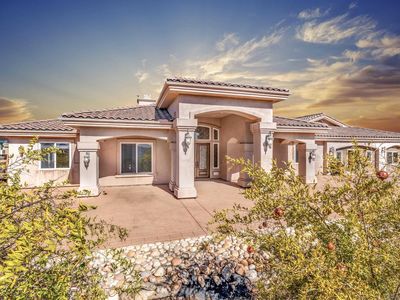

From barns and arenas to pasture management and trail access, Ramona's equestrian properties are designed for serious horse owners who want the best for their animals.
Selling equestrian property successfully means marketing to a specialized buyer pool that extends far beyond your local area. While a standard home is marketed to regional buyers primarily, a quality horse property in Ramona attracts serious equestrian buyers from across California, the United States, and sometimes internationally. These buyers are actively searching for land with specific characteristics: acreage, water, favorable zoning, and trail access. Marketing materials must highlight what equestrians care about—pasture acres, water capacity, arena quality, and infrastructure—rather than focusing only on the residential buildings. Professional photography showing the barn, arenas, and land from angles that emphasize usable acreage, trail access, and facilities significantly impacts buyer interest.
Highlighting equestrian improvements and infrastructure investments directly influences perceived value and buyer confidence. If you've invested in quality arena footing, a new barn, or water system upgrades, document these improvements with before-and-after photos, receipts, and maintenance records. Buyers are willing to pay premium prices for properties with proven, quality infrastructure—they recognize that a well-maintained arena or expanded water storage represents $30,000 to $100,000+ in saved future investment. Documenting what you've done signals professionalism and attracts serious buyers. Pricing these improvements appropriately is critical; under-pricing means leaving money on the table, while over-pricing based on personal investment rather than market value can stall a sale. A realtor specializing in equestrian properties understands what the market will actually pay for various improvements.
Staging a horse property requires thinking about how equestrian buyers evaluate the property. Clean, well-maintained facilities create confidence; a neglected barn or muddy, overgrown pastures raise concerns about overall property care. If you have horses on the property, they can be an asset—many buyers want to see horses thriving in the environment. However, excessive mess, poor pasture conditions, or animals in distress create the opposite impression. Leaving the property in excellent condition, maintaining fencing and structures, and ensuring pastures look well-managed all contribute to a strong sale. Additionally, being prepared to discuss water performance during seasonal variations, provide well test results, and answer detailed questions about zoning and permitted uses shows professionalism and builds buyer confidence in your asking price.
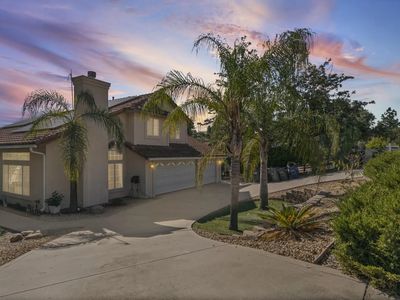
The equestrian culture in Ramona isn't manufactured or aspirational—it's deeply woven into the town's identity and history. Historically known for ranching and rural heritage, Ramona has naturally evolved into a haven for people who center their lives around horses. You'll encounter serious competitors in dressage and jumping, casual trail riders exploring weekends with friends, breeding operations focused on specific disciplines, and everything in between. Local stables and training facilities cater to all experience levels, and it's common to see riders of all ages enjoying the extensive trail network. This diversity means whether you're a competitive rider seeking coaching and boarding, a leisure rider wanting weekend trail companionship, or someone simply wanting land for personal horses away from suburban development, Ramona has a community ready to welcome you.
Local equestrian events anchor the community throughout the year. Ramona hosts open-air horse trials, dressage competitions, ranch sorting events, and pleasure rides that attract participants from across Southern California. The Ramona Cowboy Days and similar cultural events celebrate the region's ranching heritage and equestrian traditions. Local riding clubs organize group trail rides regularly—many of which are free or low-cost and welcoming to new members. Boarding facilities host clinics with visiting trainers, host schooling shows, and facilitate partnerships between buyers and sellers within the community. This activity calendar creates an ongoing sense of community and provides endless opportunities to develop skills, build friendships, and stay engaged with horses year-round.
The riding environment itself is extraordinary and a major draw for those relocating to Ramona. Direct access to Cleveland National Forest trails provides thousands of acres of scenic, well-maintained riding right from many properties. The Ramona Valley's varied topography—rolling grasslands, oak savannas, dramatic rock formations—creates visually stunning rides. A typical weekend might involve a Friday evening neighborhood trail ride, Saturday morning at a local clinic or boarding facility, and Sunday in the mountains. The year-round mild climate of the area means riding opportunities exist nearly every day, unlike mountain regions with snow or coastal areas with fog and marine layer. For many equestrian enthusiasts, this combination—professional boarding and training options, an active community, stunning scenery, and essentially unlimited trail access—makes Ramona simply the best place in Southern California to own and ride horses.